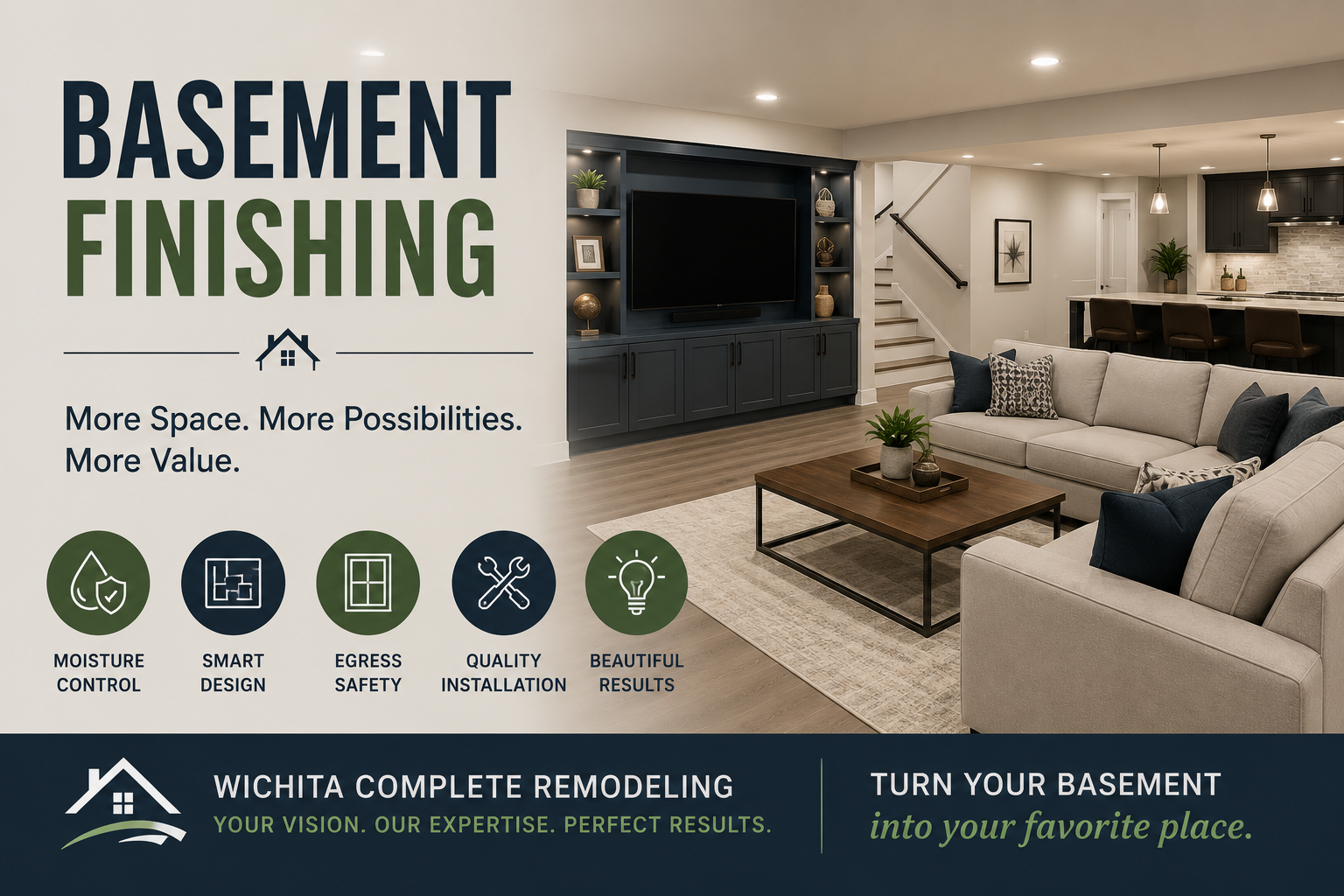
Basement Finishing Guide
Basement Finishing 101: A Homeowner’s Complete Guide from Planning to the Final Coat of Paint
A finished basement can be one of the most valuable investments you make in your home. Whether you’re dreaming of a family entertainment room, home office, guest suite, home gym, or multi-purpose living area, finishing a basement can dramatically increase usable square footage without adding onto your home’s footprint.
However, basement remodeling is different from remodeling above-grade spaces. Moisture concerns, building codes, ceiling heights, mechanical systems, and material selection all require careful planning. A mistake hidden behind drywall can become an expensive repair later.
This guide will walk you through the entire basement finishing process—from initial planning to the final coat of paint.
Start with the Foundation: Pre-Construction Assessment and Moisture Control
Before choosing paint colors or flooring materials, it’s essential to evaluate the condition of the basement itself.
Inspect for Moisture Problems
Basements are naturally more susceptible to moisture because they are located below grade. Before beginning construction, inspect for:
- Foundation cracks
- Water stains on walls or floors
- Efflorescence (white powdery deposits)
- Musty odors
- Mold or mildew growth
- Evidence of previous flooding
Addressing moisture issues after construction is significantly more expensive than correcting them beforehand.
Waterproofing Matters
If water intrusion is present, solutions may include:
- Exterior grading improvements
- Downspout extensions
- Foundation crack repair
- Interior drainage systems
- Sump pump installation
Never assume finishing materials will hide moisture problems. They typically make them worse.
Install Proper Vapor Barriers
A quality vapor barrier is one of the most important components of a finished basement.
Vapor barriers help:
- Prevent moisture migration
- Reduce mold growth
- Protect insulation
- Extend the life of drywall and flooring
Basement walls and floors should be designed as a complete moisture management system rather than relying on a single product.
Define How You Want to Use the Space
One of the biggest mistakes homeowners make is finishing a basement without a clear purpose.
Ask yourself:
- Will it be a family room?
- A home theater?
- A guest suite?
- A playroom?
- A home office?
- A fitness area?
- A combination of several functions?
Create Functional Zones
Modern basement designs often divide the space into multiple zones, such as:
- Entertainment area
- Children’s play area
- Home office
- Wet bar
- Guest bedroom
- Exercise room
- Storage area
Creating intentional zones improves both functionality and resale appeal.
Consider Ceiling Height Early
Low ceilings can significantly impact comfort.
Before finalizing plans:
- Measure floor-to-joist height
- Identify ductwork conflicts
- Review local building codes
- Verify minimum finished ceiling requirements
Thoughtful planning can often help maximize perceived headroom and avoid a cramped feeling.
Understand Safety Codes and Permit Requirements
Basement finishing projects typically require permits and inspections.
Building Permits
Most municipalities require permits for:
- Framing
- Electrical work
- Plumbing
- HVAC modifications
- Structural changes
Permits protect homeowners by ensuring work complies with current building codes and safety standards.
Egress Windows Are Critical
If you’re adding a basement bedroom, building codes typically require an emergency escape and rescue opening.
An egress window must meet minimum requirements for:
- Opening size
- Opening height
- Window well dimensions
- Accessibility
Egress windows provide life-saving emergency exits while also increasing natural light.
Never skip this requirement when creating a basement bedroom.
Plan Mechanical Systems Before Closing the Walls
The systems hidden behind drywall often determine whether a basement remodel succeeds or fails.
Electrical Planning
Today’s finished basements require more power than ever.
Consider:
- Television locations
- Gaming systems
- Home offices
- Exercise equipment
- Charging stations
- Additional lighting circuits
Installing extra outlets during construction is inexpensive compared to retrofitting later.
Plumbing Considerations
If adding a basement bathroom, bar sink, or laundry area, plumbing requirements may include:
- New drain lines
- Vent stacks
- Sewage ejector pumps
- Concrete removal and replacement
Proper planning can avoid expensive surprises.
HVAC and Ventilation
Basements often feel cooler than upper levels.
Options include:
- Extending existing ductwork
- Adding zoning controls
- Installing ductless mini-split systems
- Supplemental electric heat
Proper ventilation is equally important for:
- Moisture control
- Indoor air quality
- Comfort
Many homeowners benefit from dedicated dehumidification systems.
Choose Materials Designed for Below-Grade Spaces
Not all materials perform well in basements.
Best Flooring Options
Water-resistant materials are typically the safest choice.
Recommended options include:
Luxury Vinyl Plank (LVP)
- Water resistant
- Durable
- Comfortable underfoot
- Wide variety of styles
Ceramic or Porcelain Tile
- Extremely durable
- Moisture resistant
- Excellent for bathrooms
Modular Carpet Tiles
- Easy replacement if damaged
- Improved comfort and warmth
- Good for recreation areas
Materials to Avoid
Solid hardwood flooring is generally not recommended in basements because moisture fluctuations can cause:
- Warping
- Buckling
- Expansion and contraction
Do not use carpet with a pad. Carpet pad is made of sponge and will hold moisture.
Insulation Matters More Than Most Homeowners Realize
Proper insulation affects:
- Comfort
- Energy efficiency
- Moisture management
- Sound control
Rigid Foam Insulation
Provides excellent moisture resistance and thermal performance.
Spray Foam Insulation
Offers superior air sealing and high R-values.
Rockwool Insulation
A favorite for basement finishing because it provides:
- Sound absorption
- Fire resistance
- Moisture resistance
The right insulation strategy depends on your home’s construction and project goals.
Lighting Can Transform a Basement
Most basements suffer from one major limitation:
A lack of natural light.
A thoughtful lighting plan can make the space feel larger, brighter, and more inviting.
Layer Your Lighting
Combine:
Ambient Lighting
General illumination provided by recessed fixtures.
Task Lighting
Focused lighting for:
- Desks
- Reading areas
- Craft spaces
- Wet bars
Accent Lighting
Highlights architectural features, artwork, shelving, or entertainment walls.
Strategic lighting often makes a basement feel less like a basement and more like a natural extension of the home.
20 Basement Design Ideas to Inspire Your Project
Looking for inspiration? Consider incorporating one or more of these popular basement concepts:
- Home Theater Room
- Sports Viewing Lounge
- Game Room
- Home Office
- Fitness Studio
- Yoga and Wellness Space
- Children’s Playroom
- Teen Hangout Area
- Guest Suite
- In-Law Apartment
- Craft Room
- Music Studio
- Wine Cellar
- Wet Bar
- Library and Reading Nook
- Hobby Workshop
- Home School Classroom
- Golf Simulator Room
- Multi-Purpose Family Room
- Combination Entertainment and Storage Space
The most successful basement designs combine multiple functions while maintaining a cohesive appearance.
The Final Coat of Paint
As construction nears completion, the final details bring everything together.
Popular basement paint strategies include:
- Light neutral colors
- Warm earth tones
- Soft grays
- Bright white trim
- Accent walls for visual interest
Lighter colors help reflect available light and make the space feel larger.
Final Thoughts
A finished basement can significantly improve your home’s functionality, comfort, and value. However, success depends on proper planning, moisture control, code compliance, quality materials, and attention to detail.
From waterproofing and egress planning to insulation, flooring, lighting, and final finishes, every decision contributes to the long-term performance of the space.
At Wichita Complete Remodeling, we help homeowners evaluate basement finishing options, understand project costs, and connect with qualified remodeling professionals who can transform unfinished space into beautiful, functional living areas that your family can enjoy for years to come.