
Homeowner Problem Solving FAQs
Homeowner Problem Solving FAQs: Answers to the Questions Every Homeowner Asks
Owning a home is one of life’s greatest investments, but it also comes with a never-ending list of maintenance, repairs, upgrades, and unexpected challenges. Whether you’re dealing with a leaky faucet, planning a remodel, or trying to improve your home’s value, having reliable information can save you time, money, and frustration.
Below are answers to some of the most common homeowner questions we hear from clients.
1. How Do I Know If My Home Needs Remodeling?
Many homeowners assume remodeling is only necessary when something breaks. In reality, there are several signs your home may benefit from an update:
- Outdated kitchens or bathrooms
- Poor functionality or inefficient layouts
- Increasing maintenance costs
- Aging materials and finishes
- Growing family needs
- Declining energy efficiency
Remodeling can improve comfort, functionality, and resale value while reducing future repair expenses.
2. What’s the Difference Between Renovation and Remodeling?
Although the terms are often used interchangeably, they mean different things.
Renovation involves restoring or updating existing features, such as repainting walls, replacing flooring, or updating fixtures.
Remodeling changes the structure, layout, or functionality of a space. Examples include removing walls, expanding rooms, or reconfiguring a kitchen layout.
If your goal is to transform how a space functions, you’re likely considering a remodel.
3. How Much Should I Budget for Home Repairs?
A common rule of thumb is to set aside 1% to 3% of your home’s value annually for maintenance and repairs.
For example:
- $250,000 home = $2,500 to $7,500 per year
- $400,000 home = $4,000 to $12,000 per year
Older homes often require larger maintenance budgets due to aging systems and materials.
4. How Can I Increase My Home’s Value?
Some of the highest-return home improvement projects include:
Kitchen Updates
Modern kitchens remain one of the strongest selling features for buyers.
Bathroom Remodeling
Updated bathrooms improve both comfort and resale appeal.
Energy-Efficient Improvements
New windows, insulation, HVAC systems, and smart thermostats attract buyers and lower utility bills.
Fresh Paint
One of the most affordable ways to improve appearance and perceived value.
Curb Appeal Enhancements
Landscaping, exterior painting, and entry door upgrades make strong first impressions.
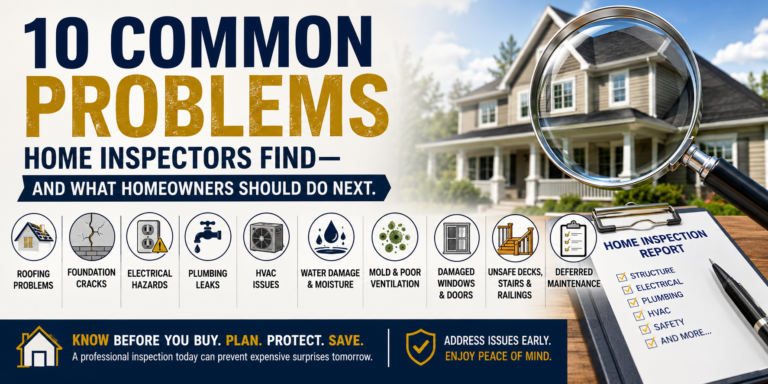
5. How Do I Know If I Need a New Roof?
Signs that may indicate roof replacement is needed include:
- Missing or curling shingles
- Water stains on ceilings
- Granules in gutters
- Visible sagging
- Moss or algae growth
- Roof age exceeding 20 years
A professional inspection can determine whether repairs or replacement are the best option.
6. Why Are My Energy Bills So High?
High utility bills often result from:
- Poor insulation
- Drafty windows and doors
- Aging HVAC equipment
- Air leaks in the attic
- Inefficient water heaters
- Lack of weather sealing
A home energy audit can identify areas where improvements can significantly reduce monthly costs.
7. What’s Causing Cracks in My Walls?
Not all wall cracks indicate serious problems.
Usually Minor
- Small drywall cracks
- Hairline settlement cracks
- Seasonal expansion and contraction
Potentially Serious
- Large horizontal cracks
- Stair-step cracks in brickwork
- Cracks wider than 1/4 inch
- Doors and windows sticking
If structural concerns are suspected, consult a qualified professional.
8. How Often Should I Service My HVAC System?
Most HVAC professionals recommend:
- Changing air filters every 1–3 months
- Spring air conditioning inspection
- Fall furnace inspection
- Annual professional maintenance
Regular servicing extends equipment life and improves efficiency.
9. What Remodeling Projects Provide the Best Return on Investment?
Projects that consistently provide strong value include:
- Minor kitchen remodels
- Bathroom updates
- Exterior improvements
- New garage doors
- Deck additions
- Energy-efficient upgrades
- Interior painting
Not every project should be chosen solely for resale value. Consider how long you plan to remain in the home and your family’s needs.
10. How Do I Choose the Right Contractor?
When hiring a contractor:
- Verify licensing and insurance
- Check references and reviews
- Request detailed written estimates
- Review previous project photos
- Ask about timelines
- Understand warranty coverage
- Avoid unusually low bids
- Is he/she in good standing with the permit office
The lowest price is not always the best value.
11. Should I Repair or Replace Aging Windows?
Consider replacement if you experience:
- Drafts
- Condensation between panes
- Difficulty opening or closing
- Rotting frames
- High energy bills
New windows improve comfort, efficiency, and curb appeal.
12. How Can I Prevent Expensive Home Repairs?
Preventive maintenance remains the best strategy for avoiding costly repairs.
Key maintenance tasks include:
- Cleaning gutters twice yearly
- Inspecting roofs annually
- Servicing HVAC systems
- Checking caulking around windows and doors
- Monitoring plumbing leaks
- Testing smoke detectors
- Maintaining proper grading around the foundation
Small problems are often inexpensive to fix, while neglected issues can become major expenses.
Final Thoughts
Every homeowner encounters maintenance challenges, repair decisions, and improvement opportunities. Understanding the most common homeownership questions can help you make informed decisions and protect your investment.
Whether you’re considering a kitchen remodel, updating a bathroom, improving energy efficiency, or simply trying to stay ahead of maintenance issues, planning ahead and working with qualified professionals can save significant time and money in the long run.
When in doubt, address problems early. Proactive maintenance and thoughtful improvements are the keys to preserving your home’s value, comfort, and longevity.
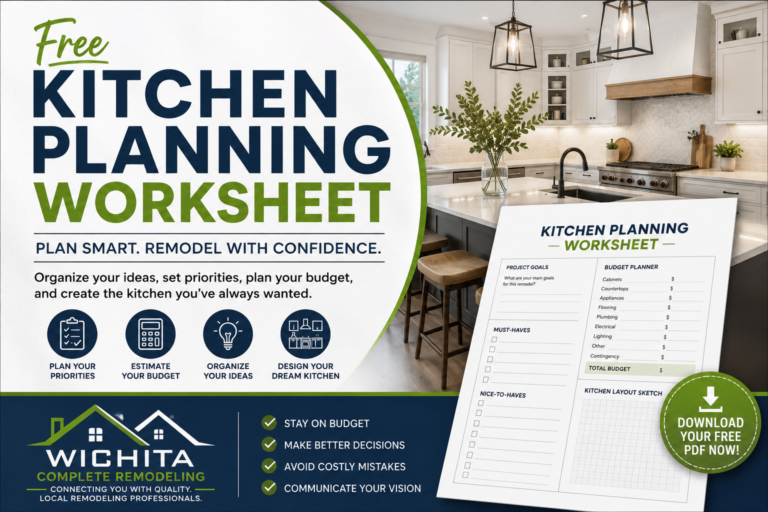
Are you ready to start your remodeling project?
If you’d like help connecting with a qualified remodeling professional, request a free, no-obligation estimate.